Miami planning guide
Long-Term Planning for Temporary Facilities
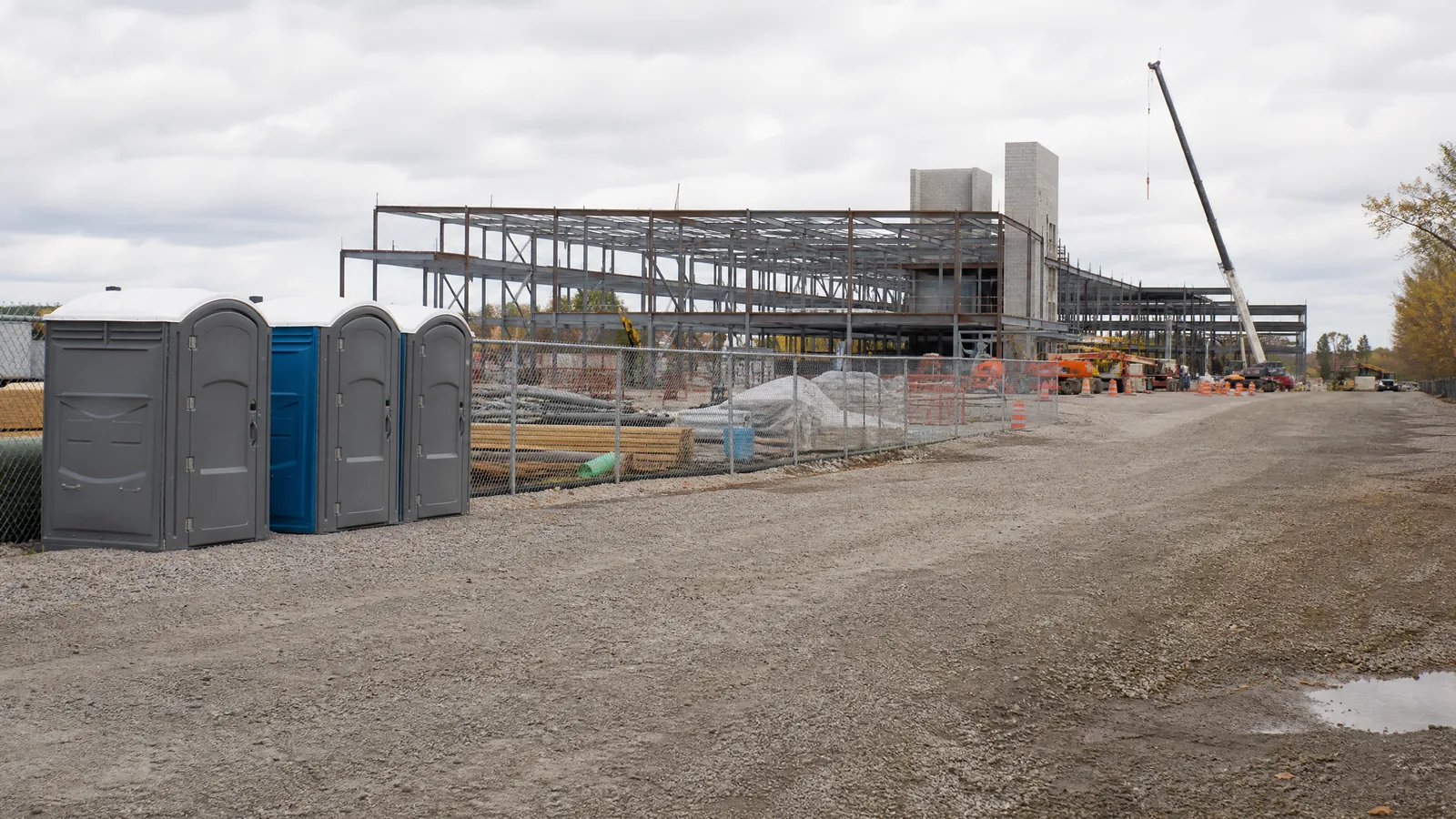
A multi-week or multi-month need should be reviewed differently from a one-day event. Construction phases change, recurring programs develop new attendance patterns, and temporary facilities may need to remain useful through shifts in weather, access, and property use. Long-term planning creates checkpoints instead of assuming that the original layout will remain correct.
Define the planning horizon
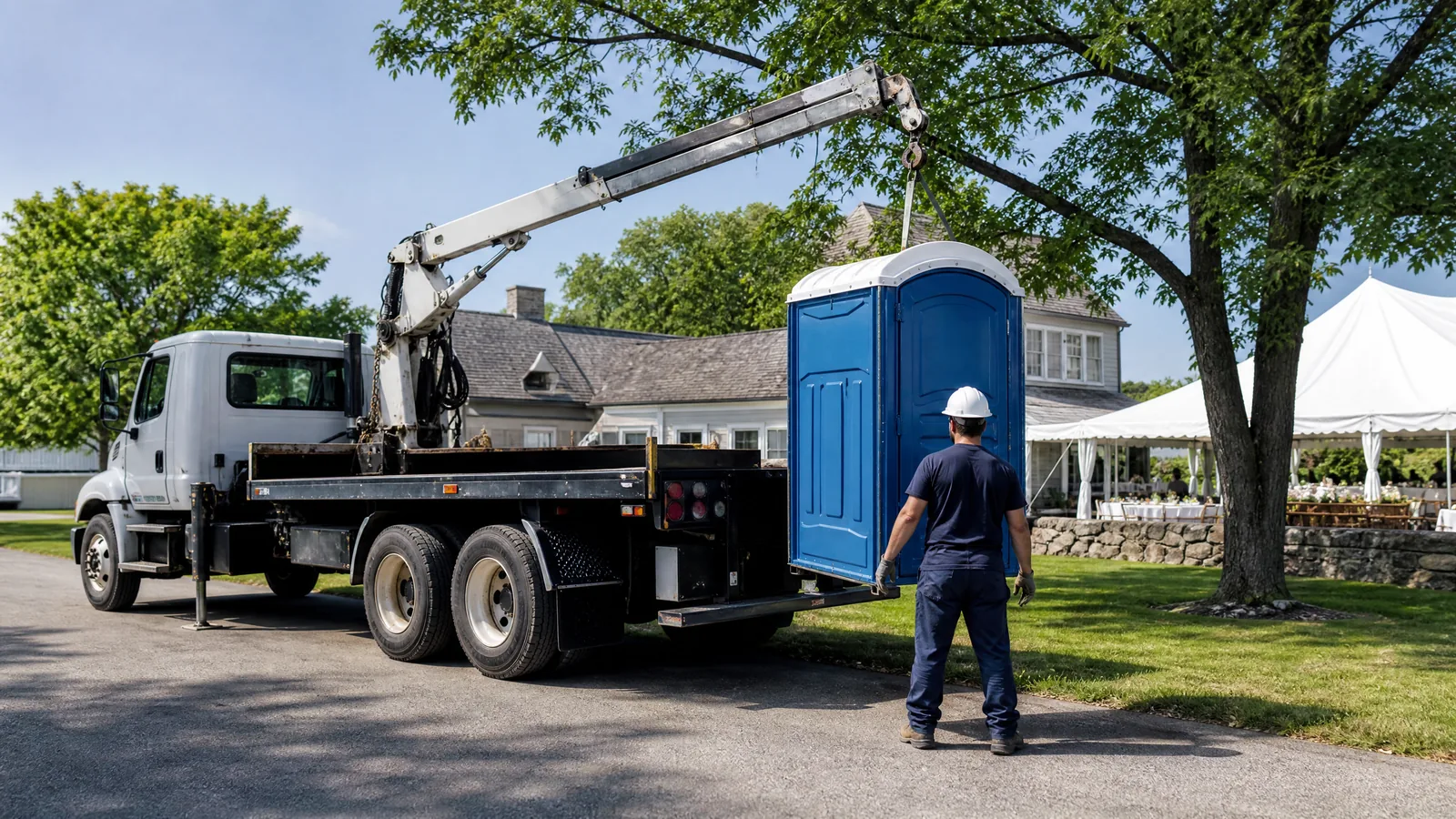
A multi-week or multi-month need should be reviewed differently from a one-day event. Construction phases change, recurring programs develop new attendance patterns, and temporary facilities may need to remain useful through shifts in weather, access, and property use. Long-term planning creates checkpoints instead of assuming that the original layout will remain correct. Consider the actual setting, access path, surface, timing, and people using it. A clear description helps the rental conversation stay practical without relying on unsupported assumptions.
Review the site at milestones
A multi-week or multi-month need should be reviewed differently from a one-day event. Construction phases change, recurring programs develop new attendance patterns, and temporary facilities may need to remain useful through shifts in weather, access, and property use. Long-term planning creates checkpoints instead of assuming that the original layout will remain correct. Consider the actual setting, access path, surface, timing, and people using it. A clear description helps the rental conversation stay practical without relying on unsupported assumptions.
Maintain a usable experience
A multi-week or multi-month need should be reviewed differently from a one-day event. Construction phases change, recurring programs develop new attendance patterns, and temporary facilities may need to remain useful through shifts in weather, access, and property use. Long-term planning creates checkpoints instead of assuming that the original layout will remain correct. Consider the actual setting, access path, surface, timing, and people using it. A clear description helps the rental conversation stay practical without relying on unsupported assumptions.
Think beyond the main unit
A multi-week or multi-month need should be reviewed differently from a one-day event. Construction phases change, recurring programs develop new attendance patterns, and temporary facilities may need to remain useful through shifts in weather, access, and property use. Long-term planning creates checkpoints instead of assuming that the original layout will remain correct. Consider the actual setting, access path, surface, timing, and people using it. A clear description helps the rental conversation stay practical without relying on unsupported assumptions.
Need a connected plan? Review the portable toilet rental guide or call (786) 746-9785.